10 Essential Steps to Follow Immediately After a Burst Pipe in Highland Heights, OH
It’s a coincidence that a burst pipe could happen at the most inconvenient time. When you find yourself dealing with this unexpected situation, acting quickly is vital to prevent further damage. Knowing the right steps to take can make all the difference. What should you do first? Let’s investigate the critical actions you need to take immediately after a pipe bursts in Highland Heights, OH.
Assess the Situation
When a pipe bursts, the first thing you should do is assess the situation to minimize damage. Take a deep breath and quickly look around for the source of the leak. Is water spraying everywhere, or is it a slow trickle? Identify the area affected, and check for pooling water or wet spots.
Pay attention to your surroundings; furniture, electronic devices, and important documents could be at risk.
Next, consider potential hazards. Watch for slippery surfaces and avoid any electrical outlets near the water. If you notice significant damage or structural concerns, don’t hesitate to call for professional help. Remember that signs of a burst pipe can include increasing water bills and lack of water pressure, which may indicate a more extensive issue.
Document the situation with photos for insurance claims later. Remember, staying calm and focused will help you make sound decisions. The sooner you assess the situation, the faster you can take appropriate action to protect your home and belongings.
Shut Off the Water Supply
After evaluating the situation, your next step is to shut off the water supply to prevent further damage. This quick action can save you from a costly mess and keep your home safe.
Here’s how to do it effectively:
- Locate the Main Shut-Off Valve: This valve is typically found near your water meter or where the main line enters your home.
- Turn Off the Valve: Use a wrench if necessary and turn the valve clockwise until it stops. You should hear water flow stop immediately.
- Check the Water Flow: Turn on a faucet in your home to verify the water supply is completely off. If water still flows, double-check the valve position.
Once the supply is off, you can focus on the next steps to manage the situation. Consider reaching out to emergency plumbing services to assist with the repairs and minimize any further damage.
Always remember, acting quickly is key to minimizing damage.
Drain the Pipes
To prevent further water damage, drain the pipes as soon as you’ve shut off the water supply.
Start by opening all the faucets in your home, allowing gravity to help push any remaining water out. Make sure you’re working from the highest faucet down to the lowest, so you maximize efficiency.
Next, flush your toilets to empty the tanks, and don’t forget to remove the drain plugs in sinks and tubs to aid drainage.
If you have a basement, check for any remaining water in the pipes there, and consider using a wet/dry vacuum to help remove excess water from lower areas. This step is vital in minimizing the risk of mold growth and structural damage. Additionally, look for any signs of water or mold spots that may indicate potential leaks, which may need to be addressed by a professional.
Once the pipes are drained, keep an eye out for any leaks or cracks that may need immediate attention from a plumbing professional.
Turn on Faucets
Turning on the faucets is essential after draining the pipes to help clear out any remaining water and air trapped in your plumbing system. This step prevents pressure build-up and guarantees your plumbing is functioning properly.
Here’s what you should do:
- Open All Faucets: Start with the highest faucet in your home and work your way down to the lowest. This helps release trapped air efficiently.
- Check for Leaks: As you turn on each faucet, keep an eye out for any leaks in the surrounding pipes or fixtures. Addressing leaks early can save you from bigger issues later.
- Let Water Run: Allow the water to flow for a few minutes to confirm that all remaining debris and air pockets are cleared out. This process is especially important as damaged supply lines can lead to significant complications if not properly addressed.
Contact a Professional Plumber
After a burst pipe, contacting a professional plumber is essential for immediate response and effective damage control.
Their expertise can help you prevent further water damage and guarantee everything is handled correctly.
Don’t hesitate to reach out; you need a reliable partner to restore your home.
Immediate Response Needed
When a pipe bursts, immediate action is crucial to minimize damage and restore your home’s functionality. You must contact a professional plumber right away to address the issue effectively. Their expertise guarantees that the problem is diagnosed correctly and resolved swiftly, preventing further complications.
Here are three key reasons to reach out to a plumber immediately:
- 24/7 Emergency Services: They can respond quickly, reducing water damage to your property.
- Comprehensive Solutions: Professionals have the tools and knowledge to fix the problem and prevent future incidents.
- Safety Assurance: Plumbers prioritize safety and cleanliness, giving you peace of mind during a stressful situation.
Don’t hesitate—calling a plumber can save you time, money, and headaches in the long run.
Expertise in Damage Control
Since a burst pipe can lead to extensive damage, contacting a professional plumber is vital for effective damage control.
A licensed plumber has the expertise and tools necessary to assess the situation quickly and accurately. They’ll identify the cause of the burst and make repairs while guaranteeing that no further damage occurs.
With 24/7 emergency services like those offered by Formica Plumbing & Sewer Co., you can have peace of mind knowing help is just a call away.
Their prompt, honest solutions prioritize both safety and cleanliness.
By letting professionals handle the situation, you’ll avoid costly mistakes and make sure your home is restored efficiently.
Don’t hesitate; getting expert help is fundamental for minimizing damage and protecting your property.
Prevent Further Water Damage
To prevent further water damage, it’s vital to contact a professional plumber as soon as you find a burst pipe. Acting quickly can save you from extensive repairs and costs.
A licensed plumber will assess the situation, fix the leak, and help mitigate damage. Here are three key benefits of reaching out to a professional:
- 24/7 Emergency Services: They’re available anytime, guaranteeing you get help when you need it most.
- Expert Assessments: Professionals can identify hidden issues and provide thorough solutions.
- Satisfaction Guarantee: Reputable plumbers, like Formica Plumbing, assure quality work and your peace of mind.
Don’t hesitate—getting help fast is vital in protecting your home and belongings.
Document the Damage
After a burst pipe, it’s vital to document the damage right away.
Take photos of the affected areas and record any details about what you see.
This information will be important for your insurance claim and for the plumber when they assess the situation.
Take Photos Immediately
Taking photos immediately after a burst pipe is vital for documenting the damage.
These images will be important for insurance claims and any necessary repairs. Be sure to capture every detail to support your case.
Here are three tips to keep in mind:
- Show the Source: Take clear photos of the burst pipe itself, highlighting the area where the leak occurred.
- Capture Surroundings: Document any affected areas, including walls, floors, and furniture, to illustrate the extent of the damage.
- Note the Time: If possible, include timestamps in your photos to establish when the damage occurred, which can be helpful for insurance purposes.
Record Damage Details
Once you’ve captured photos of the damage, it’s vital to record detailed notes about what happened.
Write down the date and time the pipe burst, along with a description of the event leading up to it. Include specifics like the location of the burst and the extent of the damage.
Note any water accumulation and affected areas in your home. If you contacted emergency services or a plumber, document that interaction as well.
This information will be important for insurance claims and repairs. Keep all this documentation organized and accessible, as it can help expedite the restoration process.
Remove Excess Water
Swiftly remove excess water to minimize damage after a burst pipe. Every minute counts, so act fast to prevent further complications like mold growth or structural issues.
Start by using a wet/dry vacuum to suck up standing water. If you don’t have one, absorbent towels can help, but they won’t be as efficient.
Here are three key steps to follow:
- Shut Off Electricity: Before you start, verify the power is off to avoid any electrical hazards.
- Open Windows and Doors: Increase airflow to help with drying and reduce humidity levels.
- Use Fans and Dehumidifiers: Set up fans and dehumidifiers to circulate air and absorb remaining moisture.
Taking these steps will help you tackle the situation effectively and protect your home from further damage.
Check for Electrical Hazards
After a burst pipe, your safety comes first, so make sure to turn off the power to affected areas.
Identify any water sources that might be creating electrical hazards, and don’t hesitate to call a professional if you notice any issues.
Inspecting your electrical system is essential to prevent dangerous situations from arising.
Turn Off Power
When dealing with a burst pipe, it’s vital to turn off the power in your home to prevent electrical hazards. Water and electricity don’t mix, so taking this step is important for your safety.
Here’s how to do it effectively:
- Locate the Main Breaker: Find your circuit breaker panel, usually in a basement or utility room. Familiarize yourself with the layout.
- Switch Off Power: Flip the main breaker to the “off” position. This cuts power to your entire home, ensuring safety while you address the leak.
- Avoid Standing Water: If there’s standing water near electrical outlets or appliances, don’t wade through it. Wait for professionals to assist.
Taking these precautions protects you from potential electrical dangers during this stressful situation.
Identify Water Sources
With the power now turned off, the next step is to identify the water sources contributing to the burst pipe.
Check all visible pipes and connections for leaks or signs of damage. Start in the area where the burst occurred, and work your way outward to guarantee you don’t miss anything.
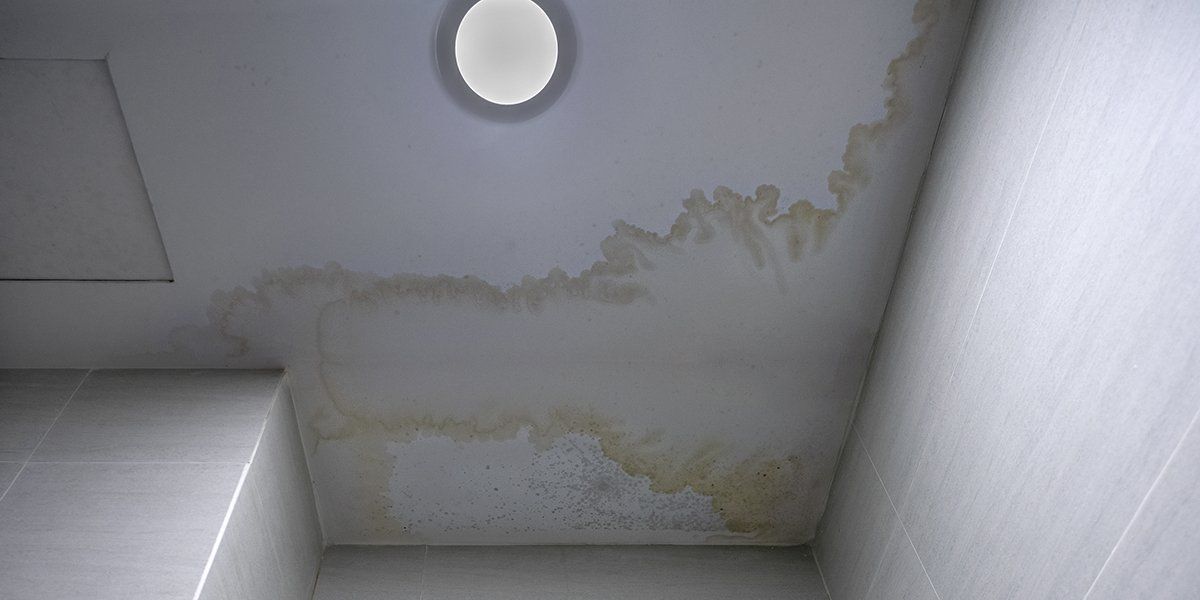
Look for water pooling on the floor or damp spots on walls and ceilings. If you’re comfortable, inspect under sinks and behind appliances.
Don’t forget to check the basement or crawl space if applicable. If you find additional leaks, mark them for your plumber.
Be cautious—water can lead to electrical hazards, so avoid touching any electrical outlets or devices until a professional can assess the situation.
Inspect Electrical System
As you assess the situation, it’s crucial to inspect your electrical system for potential hazards caused by the burst pipe.
Water and electricity don’t mix, and you need to guarantee your safety first. Here are three key steps to follow:
- Turn Off Power: Immediately switch off the main power supply to prevent electrical shocks or fires.
- Check for Damage: Inspect outlets, switches, and wiring for signs of water damage, corrosion, or burnt areas. If you see any issues, don’t hesitate to call a licensed electrician.
- Use Caution: Avoid using any electrical devices in the affected area until it’s assessed and cleared by a professional.
Taking these steps can help guarantee your safety while addressing the aftermath of the burst pipe.
Start the Drying Process
Starting the drying process immediately after a burst pipe is crucial to prevent further damage to your home.
Begin by removing any standing water with a wet/dry vacuum or towels. Make sure to dry out any affected surfaces, including walls, floors, and furniture. Open windows and doors to improve ventilation, and use fans to circulate air, which helps speed up the drying.
If possible, turn on your home’s heating system to create a warm environment that encourages evaporation. Dehumidifiers are likewise effective in reducing moisture levels.
If you have insulation that’s wet, consider removing and replacing it to avoid mold growth. Keep an eye on the humidity levels, aiming for below 50%.
Acting quickly can minimize damage and reduce the risk of mold, so don’t delay. The sooner you start drying, the better off your home will be.
Review Your Home Insurance Policy
One of the first things you should do after a burst pipe is to review your home insurance policy.
You need to know what’s covered and what’s not, as this can greatly impact your next steps.
Here’s what to focus on:
- Water Damage Coverage: Check if your policy includes damage caused by burst pipes. Understand any limits or deductibles that apply.
- Claim Process: Familiarize yourself with how to file a claim. Note any necessary documentation you’ll need, like photos of the damage.
- Exclusions: Be aware of any exclusions related to water damage. Knowing what’s not covered can help you avoid unpleasant surprises later on.
Conclusion
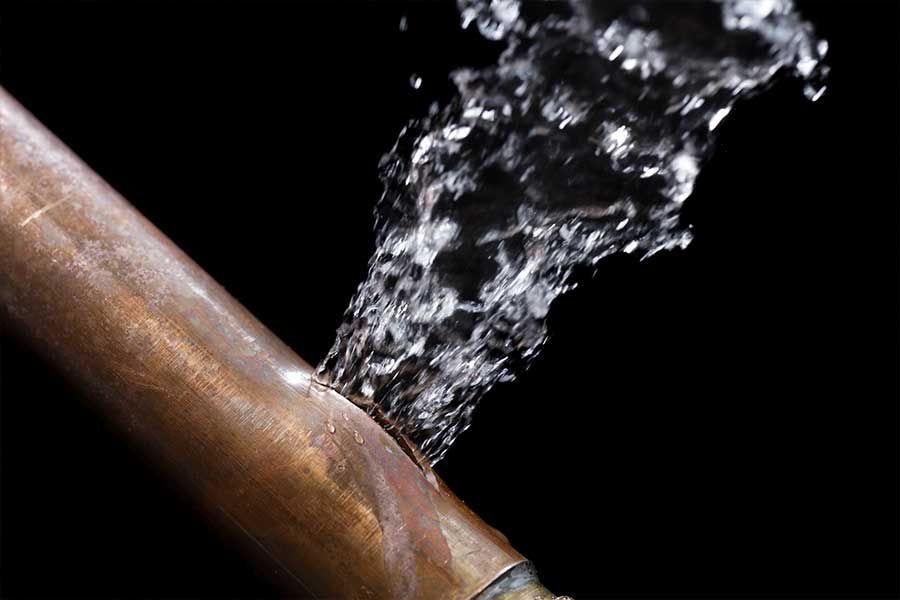
Taking immediate action after a burst pipe can save you from costly damage. Did you know that water damage is one of the most common homeowner insurance claims, accounting for nearly 20% of all claims? By following the crucial steps we’ve outlined, you can minimize the impact of such an emergency. Remember, swift action not merely protects your property but additionally helps you get back to normal life sooner. Stay calm, act quickly, and you’ll navigate this challenge effectively.