10 Warning Signs You Need Emergency Burst Pipe Repair in Wickliffe, OH
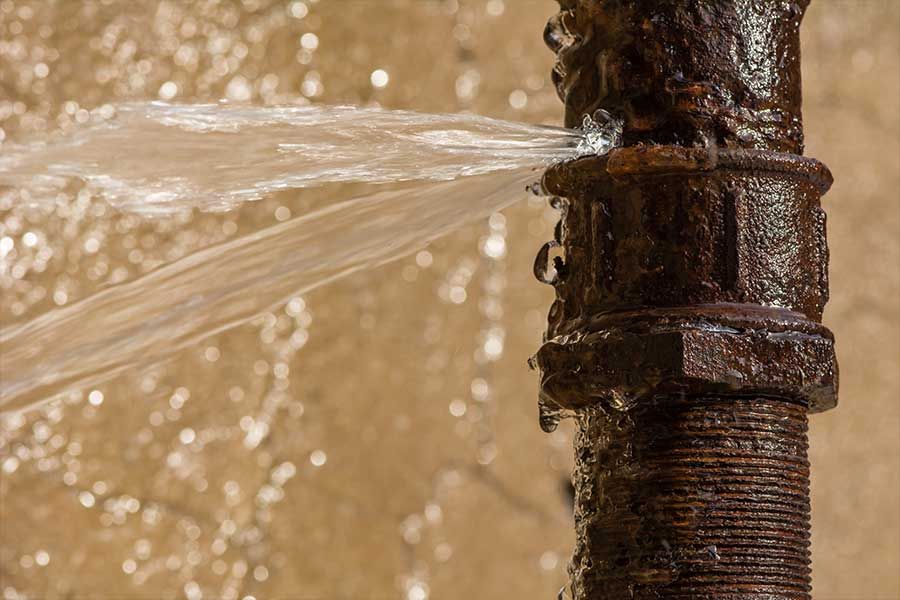
If you live in Wickliffe, OH, it’s essential to be aware of the warning signs that indicate you might need emergency burst pipe repair. A sudden spike in your water bill or unexplained wet spots in your home could signal a serious issue. Other signs, like low water pressure or unusual sounds from your plumbing, shouldn’t be ignored. Identifying these problems early can save you from costly damage. So, what should you look for next?
1. Sudden Increase in Water Bill
A sudden increase in your water bill can be a glaring red flag that something’s amiss, often signaling a leak or a burst pipe.
If you notice an unexpected spike, don’t just shrug it off. Instead, take a closer look at your water usage. Consider your recent habits—did you have guests, water the lawn excessively, or run appliances more frequently?
If none of these apply, it’s time to investigate further.
Check your plumbing fixtures for signs of dripping or running water. Pay attention to your water meter; if it’s still running while all your taps are off, you likely have a hidden leak. Signs of a burst pipe can include puddles of water in unintended areas or stains on walls indicating moisture damage.
Ignoring these signs can lead to more extensive damage and costly repairs.
2. Unexplained Wet Spots on Walls or Ceilings
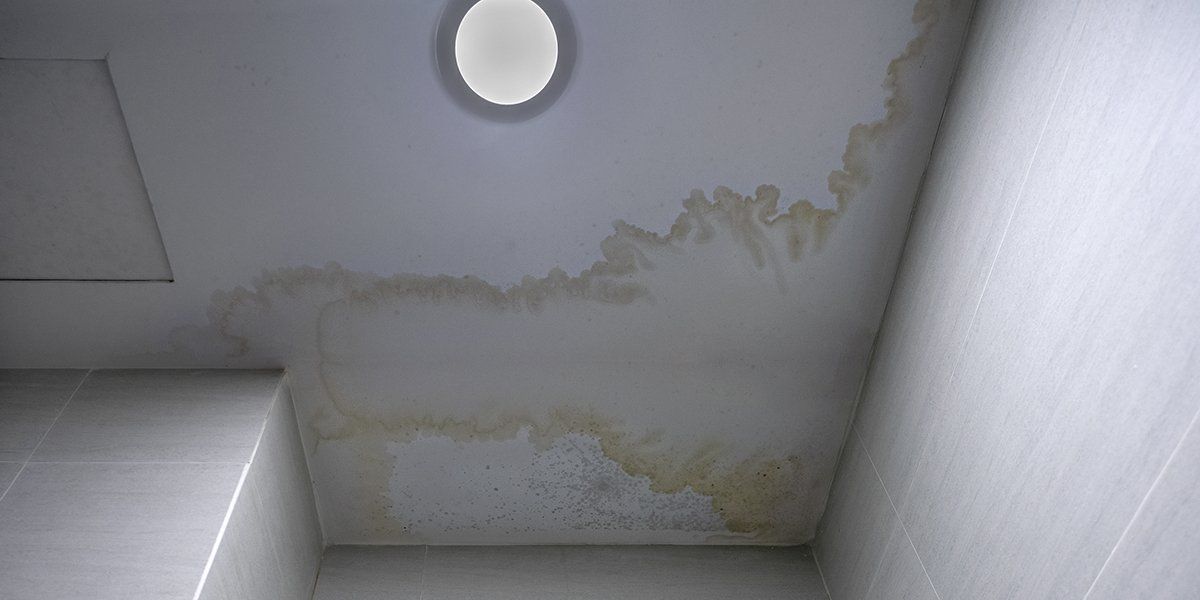
Noticing unexplained wet spots on your walls or ceilings can be alarming, as these often indicate a hidden leak or a burst pipe.
If you see these spots, it’s essential to act quickly. Ignoring them could lead to more severe water damage, mold growth, or structural issues.
Check for any signs of moisture in nearby areas, like your plumbing fixtures or appliances.
If you can’t trace the source, it’s time to call a professional. At Formica Plumbing & Sewer Co., we specialize in diagnosing and repairing leaks promptly. Our licensed team is available 24/7 to address your plumbing emergencies, ensuring your home stays safe and dry.
Remember, the sooner you address these wet spots, the less likely you’re to face costly repairs down the line.
3. Water Stains or Discoloration
If you notice water stains or discoloration on your walls or ceiling, it’s a sign something’s wrong. These marks can indicate mold growth or even peeling paint, which often point to a burst pipe issue. Don’t ignore these warning signs—addressing them early can save you from more extensive damage. Additionally, timely intervention can prevent further complications associated with sewer line issues.
Ceiling or Wall Marks
Water stains or discoloration on your ceiling or walls can be a troubling sign of a burst pipe lurking behind the surface.
These marks often appear as yellowish or brown spots, indicating moisture seeping from damaged plumbing. If you notice these stains, don’t ignore them—act quickly. The longer you wait, the more damage could occur to your home.
It’s not just about aesthetics; water can weaken structural components and lead to costly repairs. Trust your instincts; if you see these warning signs, it’s time to call a professional.
Mold Growth Indicators
When you spot unusual discoloration or stains on your walls or ceilings, it could indicate a hidden mold problem stemming from a burst pipe.
Mold thrives in damp environments, and water leaks can create the perfect conditions for it to grow. If you notice dark spots, yellowing, or fuzzy patches, don’t ignore them. These are clear signs that moisture is lingering, likely because of a plumbing issue.
Addressing this promptly is vital, as mold can pose serious health risks and damage your home.
Paint Peeling Issues
Noticing paint peeling or discoloration on your walls can be alarming, as it often signals underlying moisture issues linked to a burst pipe.
You might see unsightly water stains or bubbling paint, which indicate that water has infiltrated your walls. This isn’t just a cosmetic issue; it can lead to serious structural damage if left unaddressed.
If you spot these signs, it’s essential to act quickly. Ignoring the problem can result in costly repairs and health hazards like mold growth.
4. Low Water Pressure
Experiencing low water pressure can be frustrating, especially during routine tasks like showering or washing dishes.
If you’ve noticed a sudden drop in water flow, it might be a sign of a burst pipe or other plumbing issues. You might find that faucets take longer to fill, or your shower feels more like a drizzle than a rejuvenating spray.
Ignoring these signs can lead to larger problems, like water damage or mold growth. Slab leaks are one of the potential causes that can lead to decreased water pressure.
Don’t wait until it escalates; it’s crucial to act quickly. Check if the issue is isolated to one fixture or affects multiple areas in your home. If it’s widespread, you should call a professional plumber.
5. Unusual Sounds From Pipes
If you hear gurgling or bubbling noises coming from your pipes, it could indicate a problem.
High-pitched whistling sounds or rattling and banging can likewise signal issues that need immediate attention.
Don’t ignore these unusual sounds; they might be your pipes’ way of asking for help.
Gurgling or Bubbling Noises
Unusual gurgling or bubbling noises from your pipes can signal a plumbing issue that needs immediate attention.
These sounds often indicate trapped air or a blockage in your plumbing system. If you hear these noises, it’s crucial to act quickly.
Here are some potential causes:
- Clogged Drain: Debris buildup can obstruct water flow, leading to gurgling sounds.
- Ventilation Issues: Poorly ventilated pipes can trap air, causing those annoying bubbles.
- Sewer Line Problems: A blockage or damage in the sewer line may result in gurgling noises.
- Pipe Leaks: Water escaping from a pipe can create air pockets, leading to unusual sounds.
High-Pitched Whistling Sounds
Sometimes, high-pitched whistling sounds from your pipes can indicate an underlying plumbing issue that needs attention.
This unusual noise often signals that air is trapped in your pipes or that there’s a loose connection somewhere in your plumbing system. Ignoring these sounds can lead to bigger problems, such as leaks or burst pipes.
It’s essential to investigate the source of the whistling as soon as you notice it. You might additionally want to check for any changes in water pressure or flow, as these can accompany the whistling.
Rattling or Banging Pipes
When you hear rattling or banging sounds coming from your pipes, it’s often a sign that something’s amiss in your plumbing system. Ignoring these noises can lead to bigger problems down the line.
Here are four common reasons for those unsettling sounds:
- Water Hammer: Sudden changes in water flow can cause pipes to shake.
- Loose Pipes: Pipes that aren’t securely fastened can rattle when water flows through them.
- Air Trapped in Pipes: Air pockets can create pressure changes, resulting in banging noises.
- Pipe Obstructions: Debris in your pipes can lead to irregular water flow and strange sounds.
6. Presence of Mold or Mildew
Mold and mildew can be telltale signs of hidden water damage in your home, often stemming from a burst pipe. If you notice these unwanted guests in areas like your bathroom or basement, it’s essential to act fast. They thrive in damp environments, and their presence indicates moisture you need to address immediately.
Ignoring mold not only affects your home’s aesthetics but can likewise pose health risks for you and your family. You might experience allergies or respiratory issues owing to prolonged exposure.
7. Water Pooling in Yard
If you notice unexplained water pooling in your yard, it’s time to take action.
This could indicate soil saturation from a burst pipe or another plumbing issue.
Don’t ignore the signs; addressing it early can save you from more extensive damage.
Unexplained Water Accumulation
Water pooling in your yard can be a telling sign of a plumbing issue that needs immediate attention. If you notice unexplained water accumulation, don’t ignore it.
Here are some key indicators to watch for:
- Puddles: Large, stagnant puddles that don’t drain away can signal a leak.
- Wet Spots: Areas of your yard that remain damp, even during dry spells, may indicate a problem underground.
- Grass Growth: Unusually lush or green patches can suggest excess moisture from a burst pipe.
- Odors: Foul smells can arise from sewage leaks, requiring urgent repair.
If you spot any of these signs, contact a professional immediately to prevent further damage.
Your home deserves prompt action!
Soil Saturation Indicators
Signs of soil saturation can be alarming, especially when they manifest as pooling in your yard.
If you notice water pooling in certain areas, it could indicate an underlying plumbing issue, like a burst pipe. This excess moisture not only damages your landscaping but can likewise compromise your home’s foundation.
Pay attention to any persistent wet spots or areas that seem to stay soggy, even after rain. These indicators suggest that your soil’s drainage is overwhelmed, possibly because of a plumbing leak.
8. Foul Odors Coming From Drains
When you notice foul odors coming from your drains, it’s often a sign that something’s amiss in your plumbing system.
These unpleasant smells can indicate serious issues that need your immediate attention. Here are four common causes you should be aware of:
- Blocked Drains: Food debris or grease can accumulate, creating a breeding ground for bacteria.
- Broken Sewer Lines: A damaged line can allow waste to escape, causing foul odors to seep into your home.
- Dry P-traps: If a drain isn’t used often, the water in the P-trap can evaporate, allowing sewer gases to enter your space.
- Mold and Mildew: A hidden leak can lead to moisture buildup, resulting in musty smells.
If you encounter these odors, don’t ignore them.
9. Fluctuating Water Temperature
Foul odors from your drains can signal plumbing issues, and an additional common problem you might face is fluctuating water temperature.
If you notice your showers going from scalding hot to ice cold unexpectedly, it could indicate a serious problem. This inconsistency may stem from a burst pipe or other plumbing issues that disrupt your water supply.
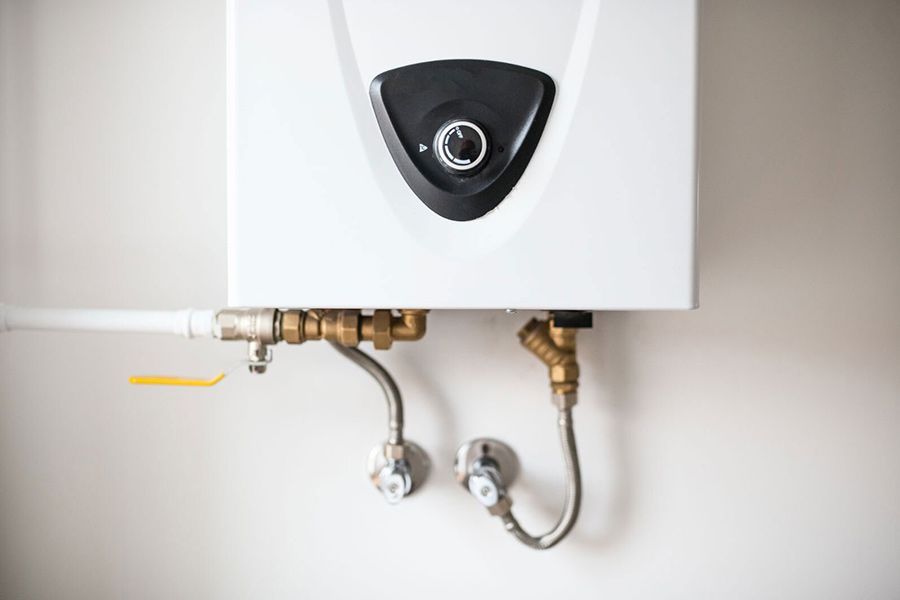
You might likewise experience problems with your water heater, such as a failing thermostat or sediment buildup, contributing to the erratic temperatures.
Ignoring these fluctuations can lead to more significant damage and costly repairs down the line.
If you’re experiencing inconsistent water temperatures, don’t hesitate to call a professional.
10. Visible Cracks in Foundation or Structure
If you notice visible cracks in your foundation or structure, it could be a clear indicator of a plumbing issue, such as a burst pipe.
Don’t ignore these signs; they can lead to more significant problems. Here are some signs to watch out for:
- Diagonal cracks: These often indicate shifting or settling, potentially owing to water damage.
- Horizontal cracks: These may suggest that water pressure is building up against your foundation.
- Cracks widening: If cracks are getting larger over time, it’s a red flag that needs immediate attention.
- Moisture accumulation: If you see dampness near cracks, it could mean water from a burst pipe is seeping in.
Addressing these issues promptly can save you from costly repairs down the line.
Conclusion
Don’t let a burst pipe turn your home into a sinking ship. If you notice any of these warning signs, act quickly to prevent further damage and costly repairs. Keeping an eye out for sudden spikes in your water bill, unusual sounds, or wet spots can save you from a plumbing disaster. Remember, the sooner you address the issue, the better chance you have of keeping your home safe and dry. Don’t wait—take action now!