7 Key Tips to Keep Your Water Softener Running Smoothly in Wickliffe, OH
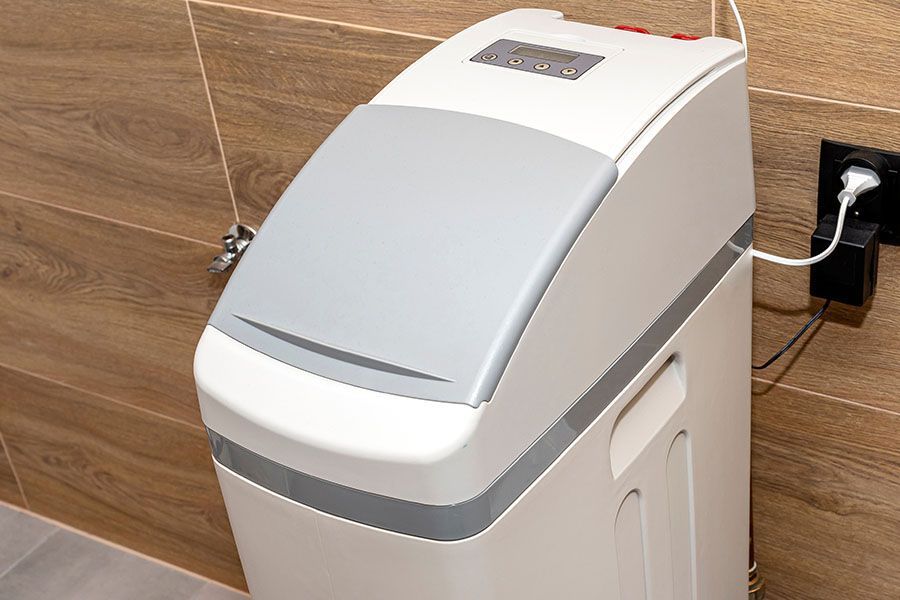
Just like a well-tuned orchestra, your water softener needs regular attention to perform at its best. In Wickliffe, OH, keeping your system in top shape is essential for quality water and savings. You might wonder what steps you can take to guarantee everything runs smoothly. Let's explore some practical tips that will help you maintain your water softener efficiently and avoid costly repairs down the line.
Regularly Check the Salt Levels
To guarantee your water softener operates efficiently, regularly check the salt levels in the brine tank. Maintaining the right salt level is essential for the softener to function properly and provide you with soft water. Aim to keep the salt at least half-full, as low levels can hinder the regeneration process. If you notice the salt level dropping considerably, it's time to top it off.
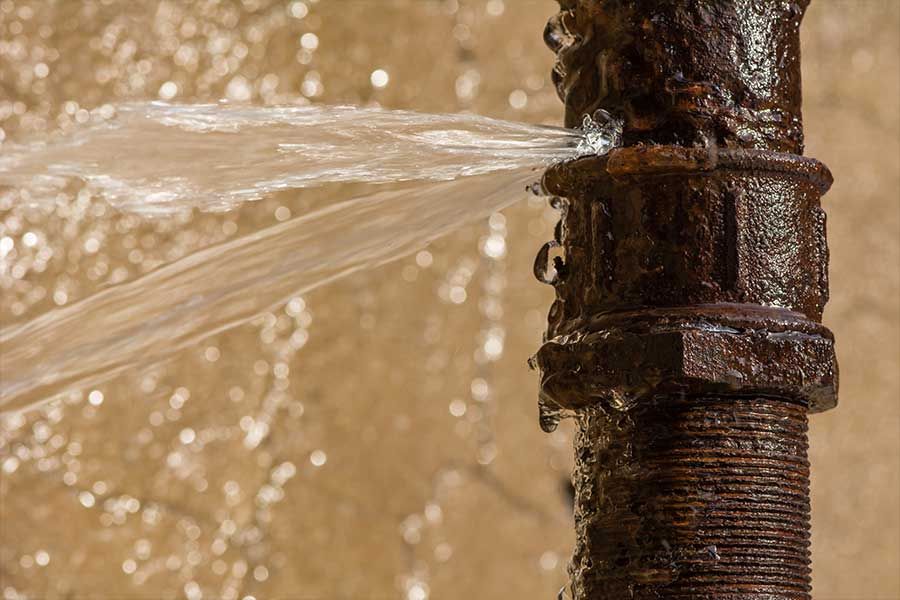
When you check the salt, also look for any signs of bridging, which occurs when salt hardens and forms a solid mass. If you find bridging, you'll need to break it up or remove it to guarantee effective operation. Additionally, keeping an eye on signs of a burst pipe can help prevent water damage in your home.
Regular checks can help prevent issues, saving you time and money in repairs down the line. By staying on top of salt levels, you'll guarantee your water softener continues to deliver the quality water you expect.
Clean the Brine Tank Periodically
Cleaning the brine tank is essential for keeping your water softener running smoothly. Make sure to schedule regular cleanings and check for any salt bridges that may form. These steps will help maintain peak performance and extend the life of your system. Additionally, regular maintenance can prevent sediment buildup, which can affect the efficiency of your water softener.
Schedule Regular Cleaning
Regularly cleaning your brine tank is essential for running your water softener efficiently. This task helps prevent sediment buildup and guarantees your system operates at its best.
Aim to clean the tank at least once a year, or more frequently if you notice any issues. Start by turning off the water softener and emptying the tank. Remove any remaining salt and clean the inner surfaces using a mild solution of water and vinegar.
Rinse thoroughly before refilling with fresh salt. Proper maintenance not only extends the life of your water softener but also improves the quality of your water.
Inspect for Salt Bridges
While maintaining your water softener, it's important to inspect the brine tank for salt bridges. A salt bridge forms when the salt hardens and creates a barrier above the salt pile, preventing the water from dissolving it properly.
To check for a salt bridge, simply use a long object, like a broomstick, to poke the salt. If you encounter resistance, you likely have a bridge. Break it up gently to restore proper function.
Regularly cleaning the brine tank also helps prevent salt bridges from forming. Aim to do this at least once every few months.
Inspect and Clean the Resin Bed
Inspecting and cleaning the resin bed is essential to maintaining the water softener's peak performance. The resin beads actually soften the water, so keeping them in good condition is vital.
Start by turning off the softener and draining the tank. Once drained, visually inspect the resin bed for clogs or any debris that may have accumulated. If you notice any buildup, you can rinse the resin with clean water to help dislodge it.
For deeper cleaning, consider using a resin cleaner specifically designed for water softeners. Follow the manufacturer's instructions carefully to avoid damaging the resin. Regularly cleaning the resin bed not only improves efficiency but also extends the lifespan of your softener. Aim to perform this maintenance every six months or as needed, especially if you notice a decline in water quality. Additionally, maintaining your water softener can help prevent issues such as slab leaks that may arise from high water pressure and corroded pipes.
Keeping the resin bed clean guarantees your water remains soft and pleasant to use.
Monitor Water Usage and Softener Settings
Monitoring your water usage and adjusting your softener settings can greatly enhance the effectiveness of your water softening system. You can fine-tune your softener to run efficiently and avoid unnecessary salt usage by keeping track of how much water you consume.
Here are some key points to remember:
- Save money on salt and maintenance costs by optimizing settings.
- Enjoy softer water that improves the feel of your skin and hair.
- Protect your appliances by reducing mineral buildup, extending their lifespan.
- Enhance your home's value with a well-maintained water softening system.
Take the time to review your water usage monthly and adjust your softener's settings accordingly. Additionally, consider contacting plumbing repair experts to assist with any related plumbing issues that may arise.
You'll not only keep your system running smoothly but also reap the benefits of cleaner, softer water throughout your home.
Schedule Annual Professional Maintenance
Scheduling annual professional maintenance for your water softener is vital for peak performance and longevity.
Regular check-ups by a qualified technician can help identify potential issues before they become major problems. During these visits, the technician will inspect your system, clean components, and guarantee everything is functioning as it should.
This proactive approach not only extends the life of your water softener but also enhances its efficiency, saving you money on energy and salt costs over time.
Plus, a well-maintained softener provides you with consistently soft water, improving the quality of your daily activities, from bathing to washing dishes.
Don't wait for signs of trouble; make it a habit to schedule this vital maintenance annually.
Test Water Hardness Regularly
Although you mightn't notice it, regularly testing your water hardness is essential for maintaining your water softener's effectiveness.
When you keep an eye on your water's mineral content, you can guarantee your system runs smoothly and efficiently.
Here are a few reasons why consistent testing matters:
- Preventing buildup: Hard water minerals can accumulate and damage your plumbing system over time.
- Saving money: A well-functioning water softener reduces the need for costly repairs and replacements.
- Enhancing comfort: Softer water makes for better skin and hair, plus cleaner dishes and laundry.
- Promoting longevity: Regular tests help extend the life of your water softener, guaranteeing you get the most out of your investment.
Make testing a part of your routine, and you'll enjoy the benefits of soft water while keeping your system in top shape!
Address Issues Promptly to Prevent Damage
When you notice warning signs with your water softener, don't wait to act.
Addressing these issues promptly can save you from costly damage down the line.
Scheduling regular maintenance guarantees your system runs smoothly and efficiently.
Recognize Warning Signs
Recognizing the warning signs of plumbing issues can save you from costly repairs down the line.
If you notice any of these signs with your water softener, don't hesitate to act:
- Unusual noises: Popping, hissing, or gurgling sounds can indicate internal issues.
- Cloudy or discolored water: This may signal a malfunction or buildup in the system.
- Salt bridges: A hard crust that forms in the brine tank can disrupt softening.
- Increased water hardness: If you're experiencing more limescale buildup, your softener mightn't be working properly.
Addressing these issues promptly guarantees your water softener runs efficiently, prolonging its lifespan and protecting your home from potential damage.
Stay vigilant and act quickly!
Schedule Regular Maintenance
Scheduling regular maintenance is crucial to keeping your water softener in top shape. By setting up routine check-ups, you can catch small issues before they escalate into costly repairs.
Make it a habit to inspect the salt levels, clean the resin tank, and check for leaks at least once every six months. When you notice any warning signs—like strange noises or reduced efficiency—address them promptly. Ignoring these signs can lead to serious damage, affecting your water quality and softener lifespan.
Consider working with a professional like Formica Plumbing & Sewer Co. for reliable service. Their expertise guarantees your system runs smoothly, giving you peace of mind and saving you money in the long run.
Conclusion
By following these tips, you'll not only keep your water softener running smoothly, but you might also discover unexpected savings on your utility bills. Imagine the coincidence of finding that regular maintenance not only improves your water quality but also extends the life of your system. Take action now, and you'll enjoy softer water and peace of mind for years to come. Who knew that caring for your softener could lead to such delightful surprises?