Water Filtration Systems for Homes in Beachwood, OH: A Complete Beginner's Guide
Clean, reliable water is something most homeowners in Beachwood, OH, think about at some point, especially if they have noticed changes in the way their tap water tastes, smells, or looks. Whether you live near the Green Road corridor, in one of the established neighborhoods off Fairmount Boulevard, or in a newer development closer to Interstate 271, the quality of your household water matters for your health, your appliances, and your daily comfort.
This guide walks through what water filtration systems are, how they work, and what Beachwood homeowners should consider before choosing a solution for their home.
What Is a Home Water Filtration System?
A home water filtration system is a setup designed to remove contaminants, sediment, minerals, chemicals, or other unwanted substances from your household water supply before it reaches your faucets, showers, and appliances.
These systems range from simple point-of-use filters installed under a single sink to whole-house systems that treat every drop of water entering your home. The right choice depends on your water quality, household size, and what specific concerns you are trying to address.
Water filtration is not a one-size-fits-all solution. Different systems target different contaminants, and choosing the wrong type means you could invest in equipment that does not actually solve your problem.
Common Water Quality Concerns in Beachwood, OH
Beachwood’s municipal drinking water ultimately comes from Lake Erie through regional water treatment systems, while wastewater and stormwater are managed by the Northeast Ohio Regional Sewer District. Although treated municipal water meets federal safety standards, it may still contain trace levels of disinfectants such as chlorine or chloramines, along with sediment or naturally occurring compounds that can affect taste and odor.
Based on what we see in Beachwood properties, homeowners most commonly report concerns about:
- Chlorine taste and smell from treated municipal water
- Hard water mineral buildup on fixtures, appliances, and glassware
- Sediment or discoloration, particularly in older homes with aging supply lines
- General concerns about long-term water quality and household health
Understanding what is actually in your water is the first step. A professional water quality test gives you a baseline before any filtration system is recommended or installed.
Types of Home Water Filtration Systems
Whole-House Filtration Systems
A whole-house filtration system, sometimes called a point-of-entry system, is installed where the main water line enters your home. This means every fixture in the house, including showers, washing machines, dishwashers, and drinking water taps, receives filtered water.
These systems are a strong choice for homeowners dealing with sediment, chlorine, or widespread water quality issues that affect the entire household. In our service calls throughout Beachwood, whole-house systems are often the preferred solution for families who want comprehensive coverage without managing multiple filters at individual fixtures.
For homes where a whole-house system connects to or affects the broader plumbing setup, our team also handles plumbing repair in Beachwood, OH, to ensure everything integrates correctly with your existing system.
Reverse Osmosis Systems
Reverse osmosis, commonly referred to as RO, is one of the most effective filtration methods available for residential use. It works by pushing water through a semipermeable membrane that blocks contaminants at a molecular level, including heavy metals, nitrates, fluoride, dissolved solids, and certain chemicals.
RO systems are typically installed under the kitchen sink and serve a single tap, though larger systems can supply filtered water to multiple outlets. They produce exceptionally clean drinking water and are a popular choice for homeowners who have specific concerns about water purity beyond what standard filtration addresses.
One consideration with reverse osmosis systems is that they produce a small amount of wastewater as part of the filtration process and require periodic filter and membrane replacement to maintain performance.
Carbon Filtration Systems
Activated carbon filters are among the most widely used filtration technologies in residential settings. They work by adsorbing contaminants as water passes through a carbon media, which is highly effective at removing chlorine, chloramines, volatile organic compounds, and many odor-causing substances.
Carbon filters are available in various forms, including pitcher filters, under-sink units, and whole-house configurations. They are generally more affordable than reverse osmosis systems and are well-suited for homeowners whose primary concern is taste, odor, or chlorine reduction rather than heavy metal or dissolved solid removal.
Water Softeners
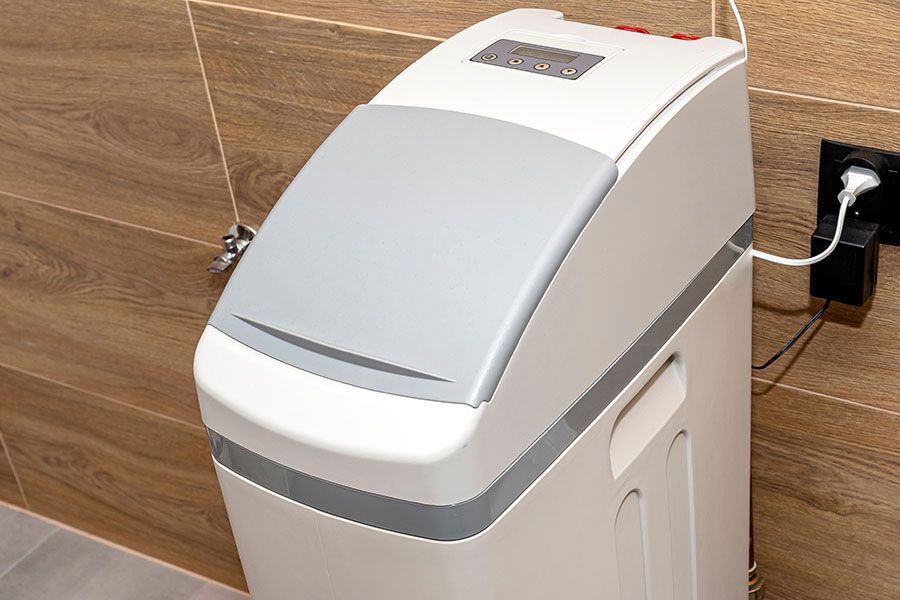
While technically not a filtration system in the traditional sense, water softeners address one of the most common water quality issues in the greater Cleveland area: hard water. Hard water contains elevated levels of calcium and magnesium minerals that leave scale deposits on fixtures, reduce the efficiency of water heaters, and shorten the lifespan of appliances.
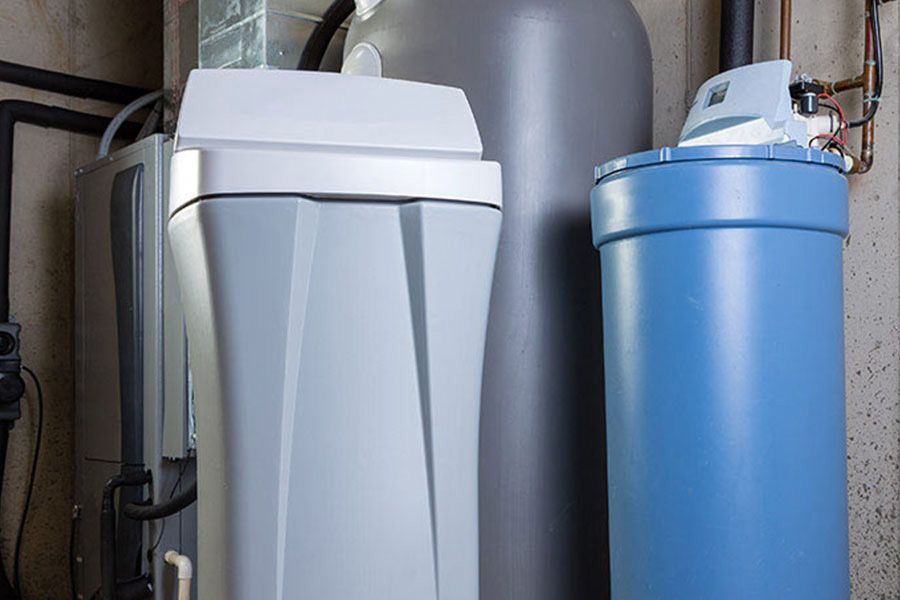
Working in homes across Beachwood, we frequently see the effects of hard water on water heaters, pipes, and fixtures in properties that have never had a softening system installed. A water softener uses an ion exchange process to replace hardness minerals with sodium or potassium ions, delivering noticeably softer water throughout the home.
If your water heater has been underperforming or showing signs of scale buildup, our team handles water heater repair in Beachwood, OH, and can assess whether hard water damage has been a contributing factor.
Under-Sink and Countertop Filters
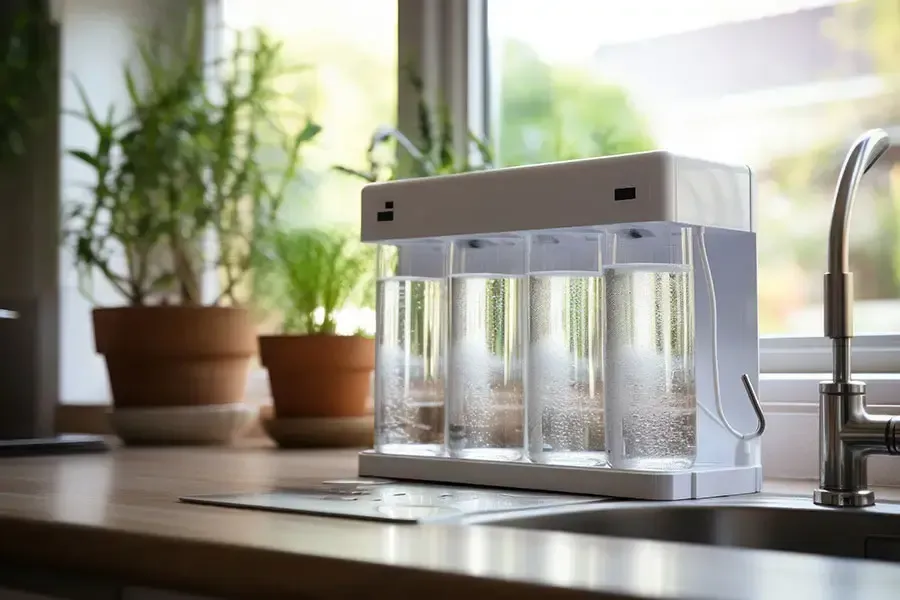
For homeowners who want cleaner drinking water without the cost of a whole-house system, under-sink and countertop filters offer a practical middle ground. These point-of-use systems treat water at a single outlet and are available in carbon block, ceramic, and multi-stage configurations depending on what contaminants need to be addressed.
They are relatively affordable to install and maintain, making them a good starting point for homeowners who are new to water filtration and want to address a specific concern at the kitchen tap before committing to a larger system.
What to Consider Before Choosing a System
Get a Water Quality Test First
Before selecting any filtration system, a professional water test is the most important step. Without knowing what is actually in your water, there is no reliable way to match the right filtration technology to your specific needs. A plumber or water quality professional can arrange testing and help interpret the results.
Consider Your Household Size and Water Usage
Larger households with higher daily water demand benefit most from whole-house or high-capacity systems. Smaller households or those with more targeted concerns may find that a point-of-use system covers their needs without the higher upfront investment.
Factor In Ongoing Maintenance
Every filtration system requires some level of ongoing maintenance, whether that means replacing filter cartridges, cleaning membranes, replenishing softener salt, or scheduling periodic professional servicing. Understanding the maintenance requirements before you purchase helps you choose a system that fits your schedule and budget over the long term.
Work with a Licensed Plumber for Installation
Improper installation can compromise a filtration system's performance and create plumbing issues downstream. A licensed plumber ensures the system is installed correctly, integrates properly with your existing supply lines, and complies with local plumbing codes. This is especially important for whole-house systems and reverse osmosis units that connect directly to your main water supply.
If the installation involves your water supply lines more broadly, our team also provides water pipe replacement in Beachwood, OH, for homes where aging pipes may be contributing to water quality issues at the source.
How Water Filtration Affects Your Plumbing and Appliances
One benefit of clean, filtered water that homeowners sometimes overlook is the impact it has on the rest of the plumbing system. Hard water and sediment-heavy supply water accelerate wear on water heaters, dishwashers, washing machines, and fixtures. Removing those contaminants at the point of entry extends appliance lifespans and reduces the frequency of plumbing repairs over time.
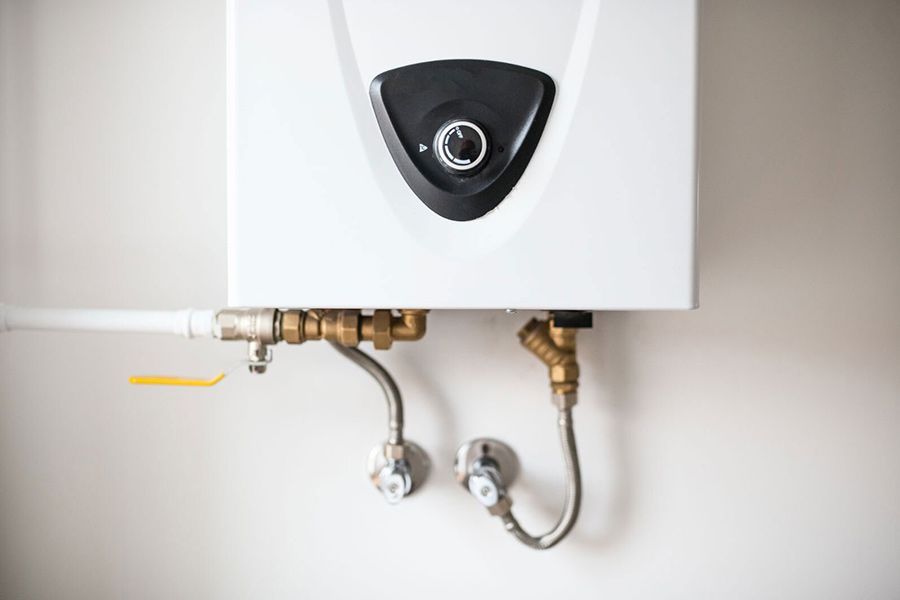
For Beachwood homeowners who have invested in a tankless water heater installation in Beachwood, OH, filtered and softened water is especially important. Tankless units are more sensitive to scale buildup than traditional storage water heaters, and hard water significantly shortens their service life without proper treatment upstream.
Making the Right Choice for Your Beachwood Home
Water filtration is a meaningful investment in your household's health, comfort, and long-term plumbing performance. Beachwood homeowners have a range of solid options available, from straightforward under-sink filters to comprehensive whole-house systems, and the best choice always starts with understanding what your water actually contains.
A licensed plumber who knows the local water conditions and plumbing characteristics common to Beachwood properties is the most reliable guide through that decision. If you are ready to explore your options or have questions about what system fits your home, contact our team today, and we will walk you through everything you need to know.